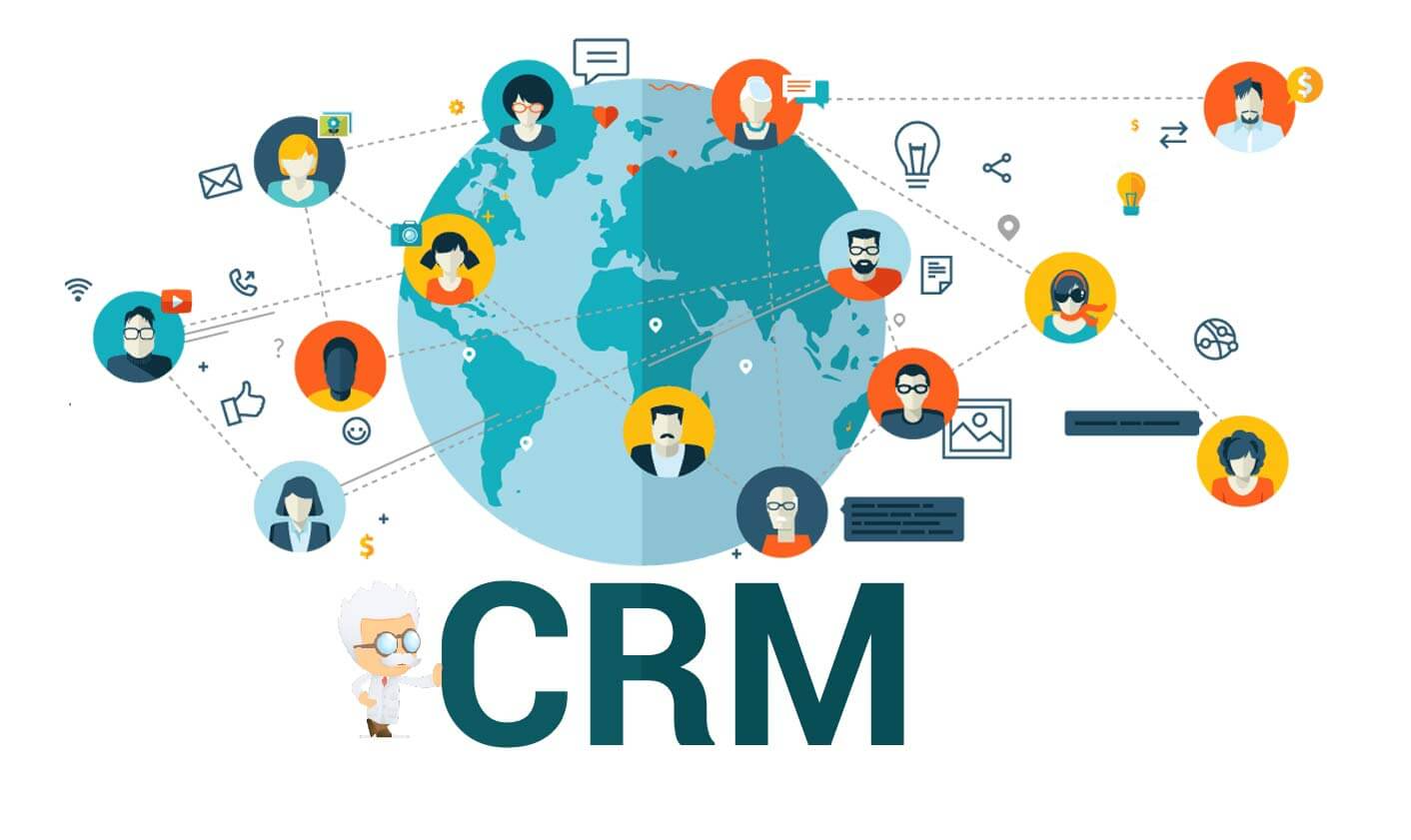
CRM-ERP Development Company
Specializing in industry-specific CRM-ERP development, we excel in tailoring CRM-ERP solutions to optimize information management and elevate customer relationships. Our comprehensive suite of services encompasses CRM-ERP software customization, end-to-end implementation, and system maintenance.
We are excited for our work and how it positively impacts clients.
Streamline Your Business with CRM/ERP Solutions

Industry-Specific Solutions
Our Industry-Specific Solutions delivers targeted expertise for your business. From healthcare to finance, we optimize processes for your sector's success. Partner with us for specialized solutions that drive your industry forward.
Enhanced customer service
Our innovative approach ensures enhanced customer experiences. From responsive support to personalized interactions, we prioritize customer satisfaction. Partner with us to deliver exceptional service and foster long-term loyalty.
Workflow Automation
Our Dynamic CRM Solutions automate repetitive tasks and streamline workflows, improving efficiency and freeing up valuable time for sales and customer service teams to focus on building relationships and driving revenue.
ERP Implementation Service
Our ERP implementation consulting service team is uniquely equipped to take care of the complete deployment of your custom networks, servers, and data management solutions while maintaining data integrity.
Integration with Third-Party Systems
Our custom ERP solutions seamlessly integrate with third-party systems such as CRM software, accounting software, and e-commerce platforms, allowing for efficient data exchange and streamlined business processes.
Managed ERP Services
Our ERP software consulting experts ensure continuous monitoring, management, and support of your ERP system, thus identifying, resolving, and preventing issues.Advantages of CRM/ERP Development

Frequently Asked Questions
Enterprise resource planning software offers single-system solutions that integrate processes across the business. These applications allow users to interact within a single interface, share information, and enable cross-functional collaboration. They increase productivity, collaboration, and efficiency.
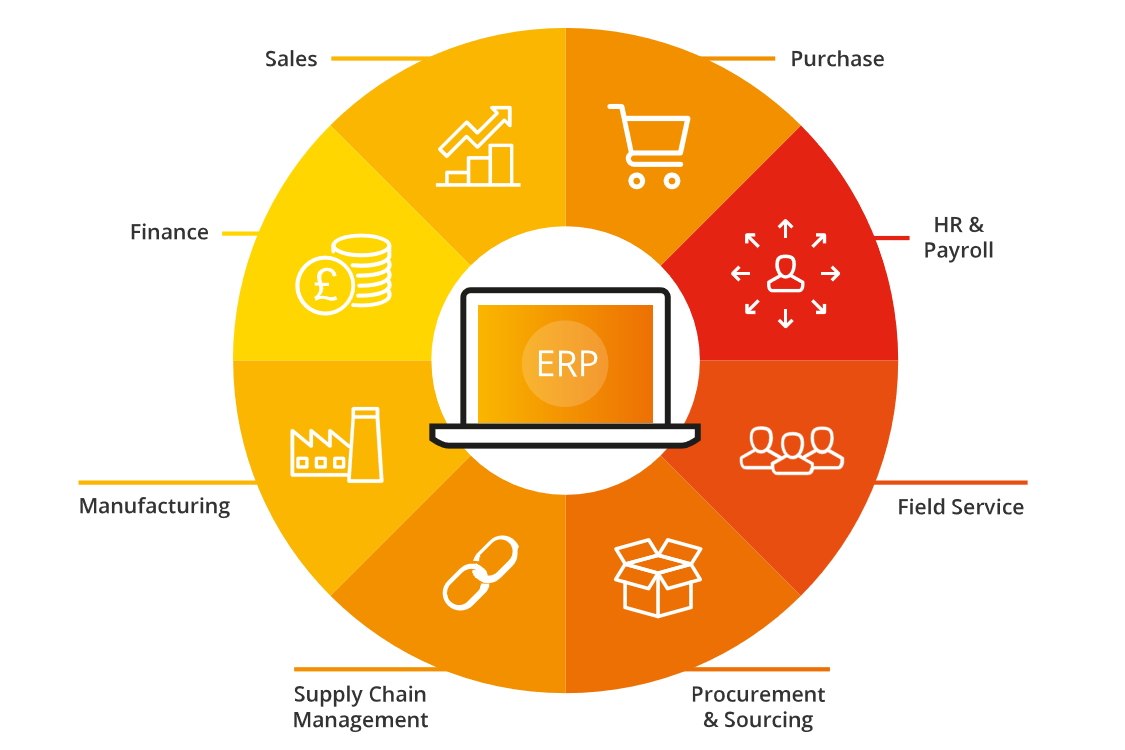
The components of an ERP system depend on the organization's needs. However, there are key features that each ERP should include. Generally, packages include finance, human resource, logistics and manufacturing, supply chain management, and customer relationship management.
Generally there are three deployment options for ERP systems; Cloud-based, on-premise, and a hybrid of the two. Within these options, a business can choose from hundreds of types such as finance, supply chain management, and human resource management.
Which ones are the main applications depends on the business and the industry it operates in. Most companies can benefit from supply chain management, logistics, and financial applications to help them streamline their operations and expenses.